
Income Tax Return Filing Guide for Individuals & Businesses in 2026
- August 5, 2026
- Blog 2
Understanding how to file ITR in 2026 can help you prepare the required information and complete the return accurately.
This guide explains the important steps, documents, deadlines, and common mistakes to consider when filing your Income Tax Return.
Filing an Income Tax Return (ITR) is an important part of responsible financial management. It helps individuals and businesses report their income, claim eligible tax refunds, maintain financial records, and comply with applicable income tax requirements.
Whether you are a salaried employee, freelancer, self-employed professional, business owner, partnership firm, LLP, or company, timely and accurate ITR filing can help reduce the risk of penalties, interest, notices, and other compliance-related issues.
With changing tax rules and the availability of different tax regimes for eligible taxpayers, understanding the filing process is increasingly important. This guide explains the basics of Income Tax Return filing for individuals and businesses in 2026.
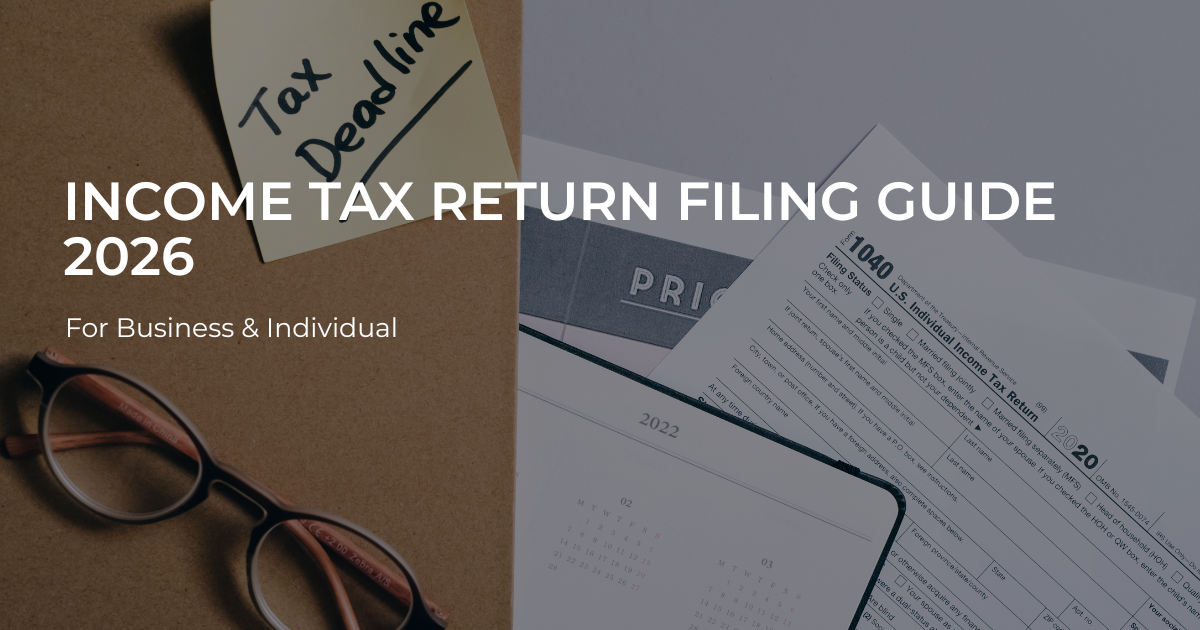
What Is an Income Tax Return (ITR)?
An Income Tax Return, commonly known as an ITR, is a form submitted to the Income Tax Department containing details such as:
- Income earned during the relevant financial year
- Income from different sources
- Eligible deductions and exemptions
- Taxes paid through TDS, advance tax, or self-assessment tax
- Tax liability or eligible tax refund
The correct ITR form depends on factors such as the taxpayer’s income, source of income, residential status, and type of entity.
Who May Be Required to File an ITR?
The requirement to file an Income Tax Return depends on applicable tax provisions and the taxpayer’s financial circumstances.
Individuals and entities that may need to file an ITR include:
- Salaried employees
- Business owners and entrepreneurs
- Self-employed professionals
- Freelancers and consultants
- Individuals earning income from house property
- Individuals earning interest, capital gains, or other taxable income
- Partnership firms and LLPs
- Private Limited Companies and other eligible entities
- Taxpayers claiming an income tax refund
- Taxpayers seeking to carry forward eligible losses
- Individuals required to file under specific provisions of the Income Tax Act
Even when filing is not mandatory, an ITR may be useful as an official financial record for certain personal or business requirements.
Benefits of Filing Your Income Tax Return
1. Helps Maintain Tax Compliance
Filing your ITR accurately and within the applicable due date helps you meet your income tax reporting responsibilities.
2. Supports Loan Applications
Banks and financial institutions may request ITR documents while assessing applications for home loans, business loans, vehicle loans, or other financial products.
3. Helps With Visa Applications
Some embassies and visa authorities may request ITR documents as part of their financial documentation requirements. However, requirements may differ depending on the country and visa category.
4. Helps Claim Eligible Tax Refunds
If excess tax has been paid or deducted, filing an ITR may be necessary to claim an eligible income tax refund.
5. Creates an Official Financial Record
An ITR can serve as a documented record of income and may support future financial, business, or documentation requirements.
6. Supports the Carry Forward of Eligible Losses
In certain cases, filing the return within the applicable due date may be required to carry forward eligible losses. The rules depend on the type of loss and applicable tax provisions.
Documents Required for ITR Filing
Before filing your return, keep the relevant documents and financial information ready.
These may include:
- PAN Card
- Aadhaar details, where applicable
- Form 16 for salaried individuals
- Salary slips
- Bank statements
- Interest certificates
- Form 26AS and other applicable tax information
- TDS certificates
- Investment and deduction documents
- Details of income from house property
- Capital gains information, where applicable
- Business income records
- Profit and Loss Statement, where applicable
- Balance Sheet, where applicable
- Previous tax returns, if relevant
The documents required may vary depending on the taxpayer’s income sources and the applicable ITR form.
Choosing the Appropriate Tax Regime
Eligible taxpayers may have the option to choose between the old and new tax regimes, subject to applicable rules and conditions.
Before selecting a tax regime, consider:
- Total taxable income
- Available deductions and exemptions
- Salary structure or business income
- Investments and eligible tax benefits
- Long-term tax planning goals
- Rules applicable to your taxpayer category
The most suitable option can differ from one person or business to another. A comparison based on your actual income and eligible deductions can help you make an informed decision.
Common ITR Filing Mistakes to Avoid
Errors in an Income Tax Return may lead to delays, revised filings, notices, or additional compliance requirements.
Common mistakes include:
- Entering incorrect PAN, Aadhaar, or bank details
- Reporting incomplete or inaccurate income
- Forgetting to include interest income
- Missing income from multiple sources
- Claiming deductions without proper eligibility or supporting documents
- Selecting the wrong ITR form
- Not checking tax information and TDS details
- Providing incorrect bank account information
- Missing the applicable filing deadline
- Failing to complete the required return verification process
Reviewing all information carefully before submission can help reduce filing errors.
Why Professional Tax Assistance Matters
Income tax rules, forms, reporting requirements, and compliance procedures may change over time. Professional assistance can help individuals and businesses:
- Identify the appropriate ITR form
- Review income from different sources
- Report income accurately
- Check available deductions and tax benefits
- Review tax credits and TDS information
- Calculate tax liability correctly
- File the return within the applicable due date
- Complete the required verification process
- Address complex tax and compliance matters
Professional guidance may be especially useful for taxpayers with business income, capital gains, multiple income sources, foreign income or assets, or other complex financial transactions.
Tips for Hassle-Free ITR Filing
- Maintain organized financial records throughout the year.
- Keep investment and deduction documents safely.
- Review income from all applicable sources.
- Check tax information and TDS details carefully.
- Select the correct ITR form.
- File the return before the applicable due date.
- Verify personal and bank details before submission.
- Complete the required return verification process.
- Consult a qualified tax professional for complex tax matters.
Conclusion
Income Tax Return filing is an important part of financial and tax compliance. Whether you are an individual taxpayer, professional, entrepreneur, or business owner, accurate and timely filing helps maintain proper financial records and reduces the risk of avoidable compliance issues.
Good tax planning and professional guidance can also help you understand your tax responsibilities, review eligible tax benefits, and make informed financial decisions.
Need Help With ITR Filing?
Lekhwani & Associates provides professional support for Income Tax Return filing, tax planning, tax compliance, business taxation, and related advisory services.
Contact our team for guidance based on your income sources, business requirements, and applicable tax obligations.
More from our blog
See all posts

Recent Posts
- How to Calculate Advance Tax for Your Business in 2026 August 29, 2026
- Tax Audit in India: When Is It Mandatory for Businesses? August 29, 2026
- Advance Tax in India: Who Needs to Pay and When? August 29, 2026